
Understanding the psychological impact of gambling A deep dive into players' minds
Understanding the psychological impact of gambling A deep dive into players' minds
The Allure of Gambling
The psychological allure of gambling is rooted in various factors that appeal to human emotions and cognitive processes. For many players, the thrill of uncertainty can create an adrenaline rush that mimics excitement in other high-stakes situations. This rush is often coupled with the potential for financial gain, making gambling a compelling activity for individuals seeking both entertainment and risk. In this context, exploring options like Spinimax casino can enhance the overall gaming experience. It’s essential to recognize how these emotional triggers can lead to repeated participation, blurring the lines between casual enjoyment and addiction.
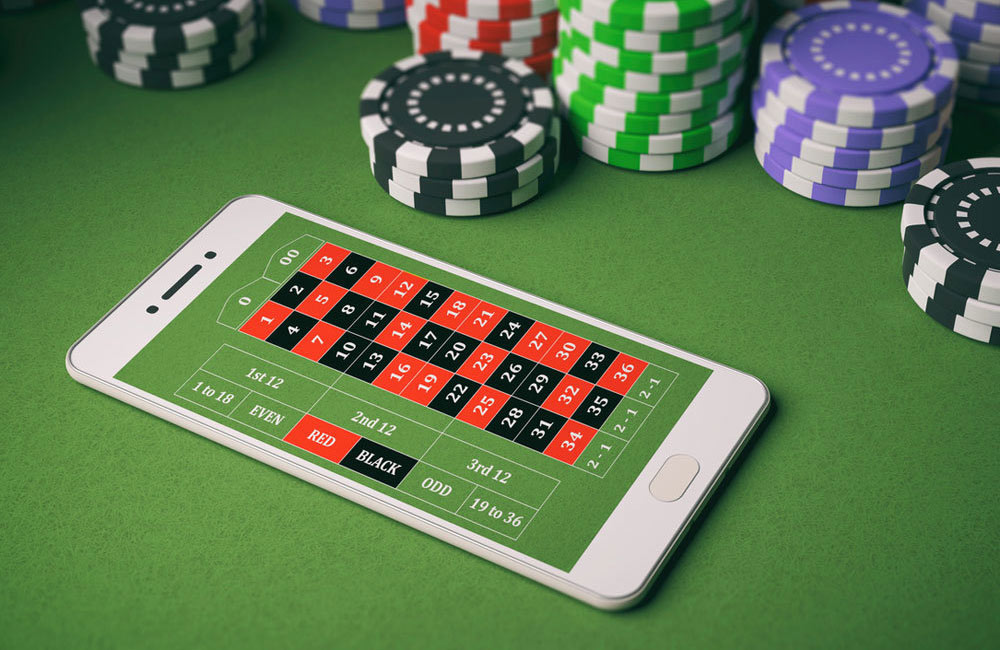
Additionally, the environment of casinos and online gambling platforms is specifically designed to enhance this allure. Bright lights, engaging sounds, and a lively atmosphere all contribute to an immersive experience that can distract players from their rational decision-making. Gamblers may find themselves swept up in the excitement, leading them to make impulsive choices, often ignoring the odds of winning. This psychological manipulation can create a cycle of repeated gambling as players chase the euphoric feelings associated with near wins or jackpots.
Understanding the psychological elements at play helps illuminate why some individuals are drawn to gambling while others may find it unappealing. For some, the thrill of taking risks aligns with their personalities, creating an ongoing desire to participate. For these players, the rewards often overshadow the potential consequences, illustrating the complexity of human behavior in the context of gambling.
The Role of Cognitive Biases
Cognitive biases significantly impact the decision-making process in gambling. One such bias is the illusion of control, where players believe they can influence the outcome of games through skill or strategy, even in purely luck-based games like slots. This false sense of empowerment can lead to increased gambling activity as individuals continue to play under the belief that they can manipulate results in their favor. The belief that past outcomes can influence future results, known as the gambler’s fallacy, is another cognitive error that can perpetuate gambling behavior.
These biases are often reinforced by the intermittent reinforcement schedule common in gambling. Unlike games with fixed rewards, the sporadic nature of wins encourages players to keep engaging in the hopes of hitting it big. This psychological reinforcement can create a powerful cycle where players become increasingly invested in the activity, despite the long-term odds being unfavorable. Thus, understanding these cognitive biases can reveal how they contribute to gambling behaviors and the potential for developing problematic habits.
Furthermore, cognitive biases also affect how players interpret their experiences. For instance, a gambler may remember their wins much more vividly than their losses, leading to skewed perceptions of their overall success. This selective memory can create a false narrative that the player is on a winning streak, further fueling the desire to gamble more. Recognizing these cognitive traps is crucial for both players and those seeking to understand gambling psychology.
The Emotional Impact of Losses
The emotional consequences of gambling can be profound, particularly when players face losses. The feelings of disappointment, frustration, and regret often lead to a cycle known as the “chasing losses.” This psychological phenomenon occurs when gamblers continue to wager in an attempt to recover lost money, which can lead to a deeper financial and emotional hole. This behavior is especially concerning as it can result in significant financial hardship and emotional distress, impacting not only the individual but also their families and relationships.
Moreover, the stress associated with losing can lead to various mental health issues. Anxiety and depression are common among individuals who gamble frequently, exacerbated by the ups and downs of their gambling experiences. The stigma around gambling addiction can also prevent individuals from seeking help, leaving them to deal with these emotional challenges in isolation. Understanding the emotional repercussions of gambling can help illuminate the need for support systems and resources for those struggling with these issues.
Additionally, the emotional highs associated with wins can create a dangerous paradox. Players may feel euphoric after a big win, leading to overconfidence and reckless gambling behavior. This can create a volatile emotional landscape where players oscillate between highs and lows, resulting in a precarious mental state. Recognizing this cycle is crucial for promoting responsible gambling practices and supporting individuals in making healthier choices.
The Importance of Responsible Gambling
Responsible gambling is essential to mitigate the negative psychological impacts associated with gaming. It encompasses various strategies, including setting limits on time and money spent gambling, as well as recognizing the signs of problematic gambling behavior. Awareness of personal triggers and emotions can empower players to engage in healthier gaming practices. Understanding when to take breaks and how to approach gambling as entertainment rather than a means to solve financial issues is crucial for maintaining a balanced mindset.
Many online casinos and gaming platforms are now implementing responsible gambling measures to promote healthier habits among players. Features like deposit limits, time-out options, and self-exclusion tools provide players with resources to help manage their gambling behavior. By encouraging these practices, the gambling industry can play a vital role in fostering a safe environment for players, ultimately reducing the risk of developing gambling-related issues.
Education around responsible gambling is also essential. Many players may not be aware of the risks associated with excessive gambling or the psychological effects it can have. By providing accessible resources and information, the gambling community can empower individuals to make informed choices about their gaming habits. Promoting a culture of awareness and responsibility can significantly reduce the stigma surrounding gambling addiction and encourage more individuals to seek help when needed.

Exploring Spinimax: A Responsible Gaming Platform
Spinimax is an innovative online casino that emphasizes responsible gaming while providing an extensive range of gaming options. Launched in 2024, it offers over 3,000 slot games from top providers, ensuring that players have access to a diverse and engaging gaming experience. The platform’s commitment to fair play and secure transactions is complemented by user-friendly features designed to enhance the overall experience while promoting responsible gambling practices.
New players at Spinimax can take advantage of a generous welcome bonus, which comes with clear and fair terms. This ensures that players can enjoy their gaming experience without feeling pressured to wager excessive amounts. Spinimax places a strong emphasis on customer support, available 24/7, providing assistance to players who may have questions or need guidance regarding their gaming habits. This level of support fosters a sense of community and accountability among players.
Ultimately, Spinimax aims to create a dynamic and exciting online casino experience while prioritizing player well-being. By addressing the psychological aspects of gambling and providing tools for responsible gaming, Spinimax is positioned as a leader in the online casino space. This dedication to fostering a safe gaming environment reflects the importance of understanding the psychological impact of gambling, encouraging healthier habits and promoting a more balanced approach to play.